
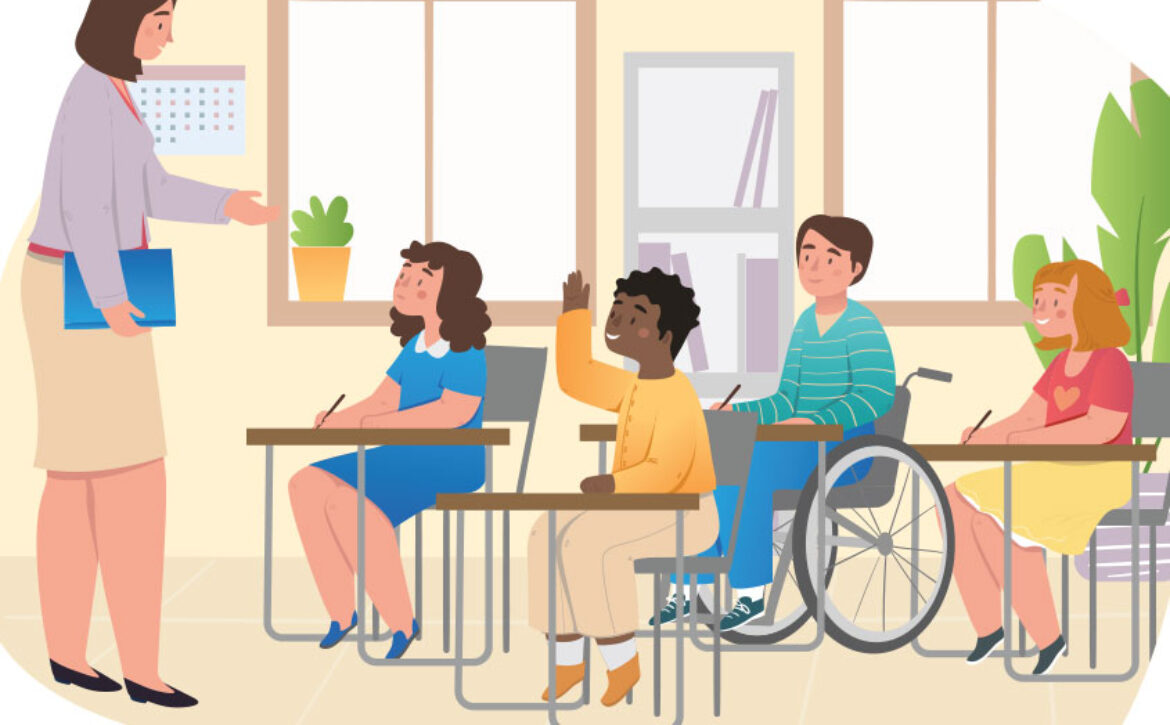
Who Manages Education and Disability Support in India?
A clear guide for parents of children with autism and other disabilities
Parents often ask:
-
Who actually controls education in India?
-
Who decides what children study and how exams are conducted?
-
Who determines what benefits, accommodations, and rights a child with autism is entitled to?
The answers are not simple because education and disability support in India work across multiple ministries, laws, boards, and departments. This article explains the system in a clear, parent-friendly way, so families know their rights and where to seek support.
1. Who Manages the Education System in India?
National Level: Ministry of Education (MoE)
The Ministry of Education, Government of India, is the top authority responsible for education in the country. It oversees:
-
School education (pre-primary to Class 12)
-
Higher education
-
National education policies
-
Funding and national programs
Within the Ministry, the Department of School Education & Literacy (DSEL) specifically looks after school education and inclusive education programs.
Key Education Bodies Under the Ministry
| Organization | What They Do |
|---|---|
| NCERT | Designs curriculum frameworks and textbooks used across India |
| CBSE | Conducts board exams and prescribes curriculum for affiliated schools |
| NIOS | Provides open and flexible schooling options |
| NCTE | Regulates teacher education and training |
| RCI | Regulates training and certification of special educators |
Important: NCERT and CBSE do not make laws. They work within policies created by the government.
State Level: State Education Departments
Each state and union territory has its own Education Department. States:
-
Run government schools
-
Implement national policies
-
Create state-specific schemes
-
Manage state boards and SCERTs
2. Who Makes Education Policy?
National Policy Makers
Parliament & Union Cabinet
Laws such as the Right to Education (RTE) Act are passed here.
Ministry of Education
Drafts and implements policies such as the National Education Policy (NEP) 2020.
Curriculum and Academic Policy
-
NCERT develops the National Curriculum Framework and textbooks
-
SCERTs adapt the curriculum at the state level
-
Education Boards (CBSE, State Boards, NIOS) decide exam patterns, assessment rules, and concessions
3. Who Decides Benefits for Students with Autism or Disabilities?
The Legal Foundation: RPwD Act, 2016
The Rights of Persons with Disabilities Act, 2016 is the most important law for children with autism. Autism Spectrum Disorder is a recognized disability under this Act.
The law guarantees:
-
Right to inclusive education
-
Protection from discrimination
-
Reasonable accommodation in schools
-
Equal opportunity and dignity
No school, government or private can deny admission or support solely due to autism.
Ministry Responsible for Disability Policy
The Department of Empowerment of Persons with Disabilities (DEPwD) under the Ministry of Social Justice & Empowerment:
-
Frames disability-related policies
-
Defines disability certification rules
-
Runs national schemes and scholarships
-
Oversees disability rights enforcement
4. How Autism Support Works at the School Level
Inclusive education operates at three levels:
Level 1: Law
-
RPwD Act, 2016
-
Right to Education (RTE) Act, 2009
Level 2: Policy & Schemes
-
National Education Policy (NEP) 2020
-
Samagra Shiksha – Inclusive Education (CWSN)
Level 3: School-Level Implementation
Schools are expected to provide:
Academic & Classroom Support
-
Individualized Education Plans (IEPs)
-
Curriculum flexibility
-
Modified teaching strategies
-
Special educator support
-
Sensory-friendly adjustments
Examination & Assessment Accommodations
Students with autism may receive:
-
Extra exam time
-
Scribe or reader support
-
Exemption from second or third language
-
Alternative subjects (in some cases)
-
Quiet or separate exam rooms
-
Use of assistive devices
These accommodations apply across CBSE, State Boards, and NIOS.
5. Government Schemes Supporting Students with Autism
Under Samagra Shiksha – Inclusive Education, eligible students may receive:
-
Assistive devices
-
Transport allowance
-
Escort allowance
-
Home-based education (for severe disabilities)
-
Residential facilities in some states
Implementation happens through:
-
Schools
-
Block Resource Centres (BRCs)
-
District Education Offices
6. Documents Parents Commonly Need
To access most benefits and accommodations, parents should have:
- Disability Certificate (mentioning Autism)
- UDID Card
- Medical or developmental assessment reports
- School admission records
- Written applications to school authorities
While rights exist even without certification, documentation makes enforcement easier.
7. If a School Denies Support: What Parents Can Do
Parents can approach authorities in this order:
-
School Principal / Management (written request)
-
District Education Officer (DEO)
-
State Education Department
-
State or Chief Commissioner for Persons with Disabilities
-
Legal remedy (as a last option)
The RPwD Act includes penalties for non-compliance.
8. Big Picture: Who Does What?
| Area | Authority |
| Education Law | Parliament |
| Education Policy | Ministry of Education |
| Disability Policy | Ministry of Social Justice (DEPwD) |
| Curriculum | NCERT / SCERT |
| Exams | CBSE / State Boards / NIOS |
| Benefits & Schemes | Samagra Shiksha + State Governments |
| Rights Enforcement | Disability Commissioners |
Why This Knowledge Matters
Many families struggle not because support does not exist, but because:
-
Parents are unaware of their child’s rights
-
Schools lack autism awareness
-
Systems are fragmented across departments
When parents understand who is responsible and what to ask for, meaningful inclusion becomes possible.
Inclusive education is not a favor. It is a legal right.
9. Understanding the System Through a Simple Example (For Parents)
To make this easier to understand, let’s look at a real-life example.
Imagine your child with autism is studying in Class 3 in a private CBSE school.
-
The law (RPwD Act) says your child has the right to inclusive education.
-
The Ministry of Education says schools must include children with disabilities.
-
CBSE allows exam accommodations and flexible assessment.
-
Samagra Shiksha provides funds for special educators and support.
If the school says:
“We cannot give extra support or adjustments.”
Then the problem is not a lack of policy, but failure of implementation.
This is why knowing who does what is powerful for parents.
10. What Schools Often Misunderstand (And Parents Should Know)
Many schools believe:
-
Accommodations are optional
-
Support is only for severe disability
-
Private schools are exempt
-
Autism must show visible physical signs
All of the above are incorrect.
Under Indian law:
-
Invisible disabilities (like autism, ADHD, dyslexia) are equally valid
-
Private unaided schools are also covered
-
Reasonable accommodation is a legal obligation
11. What Is a “Reasonable Accommodation” in Autism?
Reasonable accommodation means changes that help the child learn without lowering dignity.
Examples include:
-
Allowing movement breaks
-
Using visuals instead of only verbal instructions
-
Reducing written workload
-
Flexible discipline approaches
-
Alternative ways to show learning (oral, project-based)
Accommodation does not mean giving unfair advantage. It means giving equal opportunity.
12. Role of Parents: From Permission-Seeking to Partnership
Parents are often made to feel they are “asking for favors”.
In reality, parents are:
-
Legal guardians enforcing a child’s rights
-
Partners in the education process
-
Key stakeholders in inclusive education
Parents can:
-
Ask for written policies
-
Request IEP meetings
-
Seek special educator involvement
-
Escalate issues respectfully but firmly
13. Role of Disability Certificate – Why It Matters
Many parents hesitate to get a disability certificate.
Concerns include stigma, labeling, or fear for the future.
However, practically:
-
Most benefits require documentation
-
Boards need proof for exam concessions
-
Schemes need eligibility confirmation
A certificate:
-
Does NOT define the child’s potential
-
Does NOT restrict future opportunities
-
DOES unlock legal protections
14. Where Parents Can Seek Help Beyond Schools
If schools are uncooperative, parents can approach:
-
District Inclusive Education Officer
-
State Education Department
-
State Commissioner for Persons with Disabilities
-
Parent collectives and NGOs
A collective voice often works faster than individual struggle.
15. Why This Knowledge Is Critical for the Autism Community
Children with autism do not fail education systems.
Education systems fail children when:
-
Awareness is low
-
Policies are not implemented
-
Parents are kept uninformed
Knowledge changes this.
An informed parent:
-
Advocates confidently
-
Prevents discrimination early
-
Builds better outcomes for their child
This article is published in the interest of empowering parents, caregivers, and educators on the autism journey.
